


What Do Subaru Warning Lights Mean?
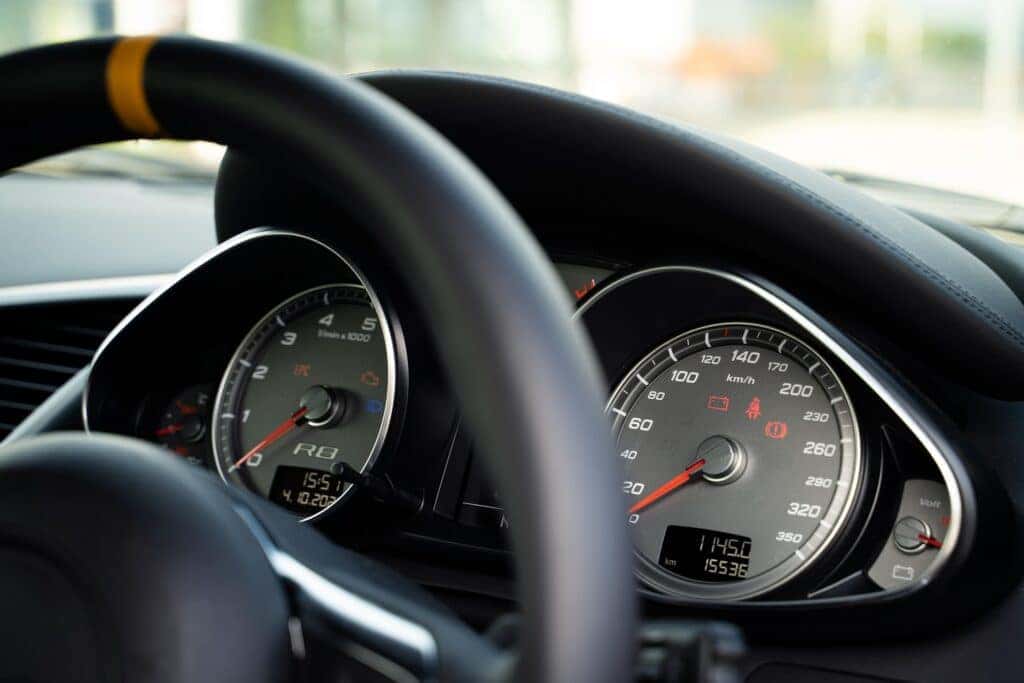
Image by mediastudiohk is licensed with Pixabay License
Ever wonder why your Subaru dashboard occasionally lights up like a mini Christmas tree? These symbols each alert you to a different system, part, or issue that might need attention. Learning what each warning light means and how urgent they are can help you identify and deal with problems quickly so you can keep your car running smoothly for the long haul.
The Purpose of Warning Lights in Your Subaru
The little glowing symbols on your Subaru’s dashboard are part of a smart diagnostic system that tells you when something is wrong, from minor maintenance needs to serious mechanical problems. Almost half of American drivers ignore their dashboard warning lights, which runs them the risk of letting small, fixable issues turn into wallet-draining nightmares. Don’t fall into this trap — your car and bank account will thank you for paying prompt attention to these signals.
The Importance of Responding to Warning Lights
Ignore a dashboard warning light, and you could be asking for trouble — pricier repairs, worse performance, and sometimes real safety risks. The color of a dashboard light will tell you how urgent the issue is: red means “stop and fix now,” yellow translates to “handle this soon,” and green or blue indicators simply notify you which systems are active. If you notice a red or blinking light, it’s best to get it checked out within 24 hours for your own safety.
Decoding Common Warning Lights
A Subaru can have over 70 different dashboard lights depending on the model, so it can be hard to keep track of what each symbol means. When in doubt, grab your owner’s manual to understand what specific lights mean for your model. Let’s break down some of the most common warning lights you may encounter.
Check Engine Light
The pesky check engine light is one of the most nerve-wracking symbols to see lit up on your car’s dashboard, but it could mean many things. If the light is flashing, pull over as soon as it’s safe to do so, and then get to a mechanic as soon as possible — your engine or emission control system could sustain serious damage if you continue driving.
If the check engine light is illuminated but steady, it could point to an issue as simple as a loose gas cap or a malfunctioning sensor. If you’ve checked that the gas cap is secure and the solid check engine light persists, you can likely still drive the vehicle, but you should take the car for diagnostics sooner rather than later. Ignoring this warning could lead to decreased fuel efficiency, sluggish performance, or even engine failure.
Oil Pressure Warning Light
This light indicates that your Subaru has low oil pressure, which is risky for your engine’s health. If this alert pops up because of low oil levels, the fix could be as simple as taking your car for a standard oil change or topping off the oil yourself. However, the oil pressure light can also come on because of worn bearings, a leak, or a failing pump.
If you spot this light, pull over safely and kill the engine. Check the oil, add more if needed, and recheck the light. If it’s still on, have your vehicle towed and let a professional diagnose the issue. Oil is essential for your car to function, and if the pressure is too low, you risk damaging or even destroying the engine.
Tire Pressure Monitoring System Light
Your Subaru’s tire pressure monitoring system (TPMS) uses sensors mounted in each wheel rim to keep tabs on the pressure in each tire. Properly inflated tires are important for both fuel efficiency and safety — driving on under-inflated tires could lead to bad handling, quicker tire wear, and even blowouts.
When the TPMS light comes on, it means at least one tire is low on air, so grab a gauge and check all four tires. Add air to any tires that need it, and then take the car for a short drive to see if the warning light disappears. If it stays lit, it could mean there’s a problem with your monitoring system or damage to your tire, such as a leak or puncture.
Battery Warning Light
A glowing battery symbol spells electrical system trouble, such as a failing alternator, dying battery, or corroding connections. Your car won’t die right away, but ignore this, and you risk getting stranded with a total electrical failure.
If the battery light comes on while you’re driving, try reducing the strain on the electrical system by turning off extras like air conditioning and the radio. And if your battery is four or more years old or persistently lights up, have a mechanic test it to identify the specific problem. Most car batteries last four to five years, so it could be time for a replacement.
ABS and Brake System Light
If the ABS warning light is on, it means there’s an issue with the ABS system, which keeps you from skidding if you have to slam on the brakes. An illuminated main brake system warning (often shown as an exclamation point in a circle) could signal parking brake issues, low fluid, worn pads, or problems with brake force distribution — all of which could impede your ability to safely stop the car when needed. Since both braking systems directly affect your safety on the road, it’s best to get your car checked immediately if one of these lights comes on.
Subaru-Specific Warning Lights
In addition to the common symbols we’ve already covered, many Subarus have special warning lights that are unique to the brand, such as:
- EyeSight warning indicator: Subaru’s EyeSight system works like a vigilant co-pilot — watching traffic, managing cruise control, alerting you if you drift, and even applying emergency brakes when needed. If an EyeSight warning pops up on your dash, it could mean anything from a system failure to a temporary disablement due to poor weather or visibility, so check your owner’s manual to determine your next steps.
- Hill assist light: If this warning light appears on your dashboard, it means the hill start assist system, which prevents your car from rolling backward on hills, has malfunctioned.
- X-MODE indicator: This light usually lets you know that X-MODE, a traction control system that helps improve your grip on slippery roads, is activated. If the light is flashing, it could mean an issue with the X-MODE or all-wheel-drive system.
Schedule Service for Your Subaru’s Warning Lights Today
Understanding what makes your Subaru’s dashboard light up helps you catch and address problems early, saving you from more expensive repairs later on. If you see urgent alerts or warning lights you can’t figure out, don’t wait until things get worse. Contact us at Hiley Subaru of Fort Worth to book an appointment today. Our mechanics know Subarus inside out and will be happy to fix yours. We’ll help keep your Subaru running strong through all the miles ahead.
0 comment(s) so far on What Do Subaru Warning Lights Mean?